Trouble paying your home loan in Japan? What to do
Learn what happens when home loan payments are late in Japan, how to check if a sale covers the debt, and when to consider direct purchase or voluntary sale.
This content is for information only and does not replace professional advice. Every financial situation is unique. Please talk to an expert before you make any decisions.
Your payment is due again this month. You already listed your house, but no one has made an offer. Maybe you are thinking about taking another loan to pay this month, or you need to sell before you go back home. If you are in this situation, ask yourself two questions now: How much does the bank want to pay off the loan completely, and how much can you get for the house in the time you have?
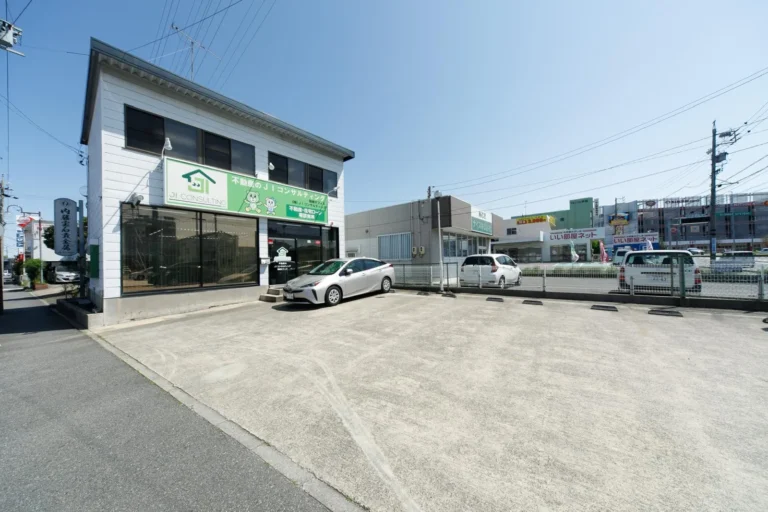
The debt check is only for people who want to sell their properties in Japan. Ji Consulting is looking at properties for direct purchase. If you need to sell fast, we can look at the house as it is. If buying is possible, we will give you an offer with a price and a time limit so you can decide.
What happens when loan payments are late?
Depending on your contract and notices from the lender, after a few months of delay—sometimes about six months—the bank can ask you to pay the full balance all at once. In Japan, this is called kigen no rieki no sōshitsu (loss of the benefit of time). After that, paying only the late payments is not enough to restart normal payments. The time limit is different for each contract, so talk to the bank as soon as you think you might miss the next payment.
Late fees (chien songaikin) can also make the payoff amount higher. For example, if the fee is 14.6% per year on a balance of 16 million yen, the fee is about 192,000 yen in 30 days. The rate, how it is calculated, and when it starts depend on your contract and your debt. Ask your lender for the updated payoff amount for the day you plan to sell.
The delay can also show up in your credit history before the bank asks for the full balance, making it hard to get credit cards or new loans. Paying off the debt helps close it, but past records stay for the time set by the credit bureau. If you are thinking about personal bankruptcy, talk to a lawyer or Hōterasu to understand your choices and what will happen.
How much would be left if you sell today?
- You owe 10 million yen and the house is worth about 15 million yen: The estimated difference is 5 million yen before costs, if the house sells for that price and the loan payoff is 10 million yen. With a real offer, you can calculate how much money you will keep after you pay the bank and pay the selling costs.
- You owe 16 million yen and think the house can sell for 23 million yen after repairs: Compare the money and time of selling the house as it is, with what you hope to get after you pay for repairs, keep the house, and wait for a buyer. The loan balance can also change during this time.
When the sale covers the loan payoff and costs, you keep the money that is left. If the price is lower than what you need to pay the loan, the sale needs the lender’s agreement to release the property mortgage. This is called nin’i baikyaku (voluntary sale with consent) in Japan. Part of the debt may still stay unpaid, depending on your agreement with the lender.
How to ask for a direct purchase evaluation from Ji Consulting?
If your payments are too high, if your house has been listed for a long time, or if you have a date to leave Japan, talk to Ji Consulting. To start, tell us your city or neighborhood, your approximate loan balance, if you have late payments, and when you need to finish the sale. If you got a notice from the bank, tell us that date too.
With this information, we will check if a direct purchase is possible. If we can make an offer, you will have a price and a time limit to compare with your other choices and decide clearly.
Talk to Ji Consulting in English on LINE or WhatsApp to get friendly and helpful support with no judgment about your situation.
Reference sources
- Nara Shinkin Bank – Home loan guide and early payoff
- Japan Housing Finance Agency – Voluntary sale with lender consent (nin’i baikyaku)
- Japanese Bankers Association – Credit records and retention periods
- Courts of Japan – Bankruptcy and debt relief